
10 BEST Ski Resorts In Canada


We may be biased, but Western Canada is the best place to ski due to its incredible terrain, limited crowds, and abundant snowfall. Many other international destinations receive a lot of praise, but it’s pretty tough to compete with Canadian ski resorts when it comes to natural beauty.
There may not be many bars and restaurants on the slopes here, as the ski resorts here are about one thing: skiing. As veterans of Western Canada, we share insights into our favorite ski resorts in Canada. It may be a hotly contested subject about the “best ski resort,” but you can’t go wrong with any ski resort.
These are our favorites, all of which we have personally snowboarded at.
About Skiing In Canada
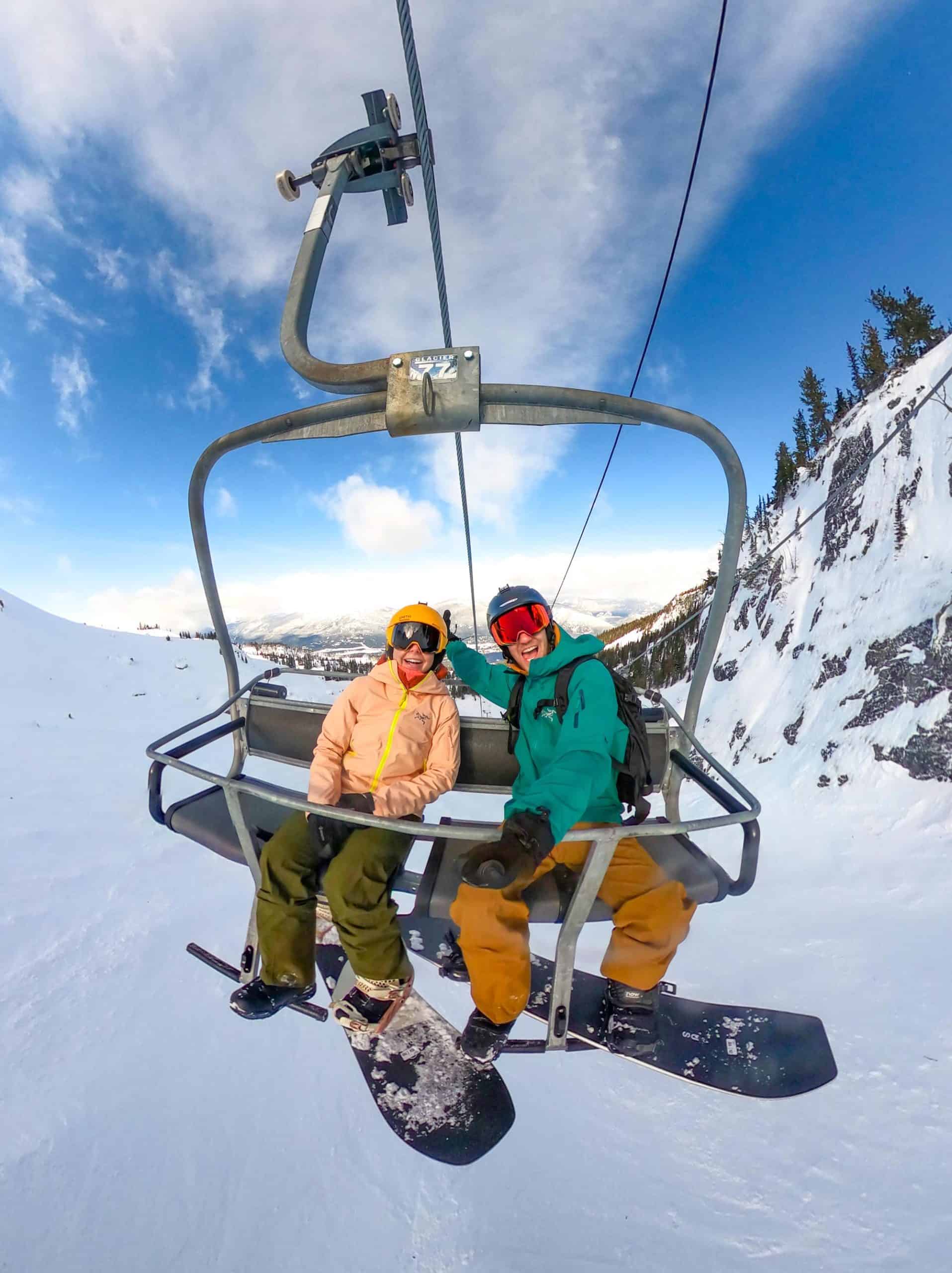
We’re blessed with abundant snow and big mountains that are perfect for skiing. Visitors can find fantastic mountain towns, such as Banff, Whistler, Fernie, Rossland, Nelson, and Mont Tremblant, which all make for a great ski holiday. Best of all, many resorts are known for their affordability and fewer crowds.
There is a wide variety of terrain, and if there is a particular type of ski you love, there is likely a resort in Canada that is the perfect fit. You can find everything from big open bowls, freshly groomed runs, tree skiing, bottomless powder, and stomach-turning chutes and drops.
Most ski resorts are in Alberta and British Columbia. These resorts span the Coast Mountains to the Canadian Rockies, crossing several mountain ranges, primarily located in British Columbia. While the resort villages of Whistler, Banff, and Mont Tremblant offer full package holidays, many skiers opt for a road trip along the famed “Powder Highway” in search of “smaller” ski hills and untouched tracks.
The Best Ski Resorts In Canada
Lake Louise Ski Resort

Resort Overview
- Season: mid November — early May
- Closest Airport: Calgary International Airport (YYC)
- Avg Ticket: $145–$175 CAD
- Average Annual Snowfall: 179″
- Vertical: 3251′
- Total Lifts: 11
- Ski Area: 4,200 ac.
Highlights
Lake Louise, Breathtaking Scenery, Long Runs, Resort Town (Banff), Variety of Terrain, Chutes, Bowls, Wildlife, Ski Touring, Long Runs, Reliable Snow, Lack of Crowds (Weekdays), Ikon Pass (7 days to SkiBig3), Beginner Terrain, Groomed Runs, A few Good Lifts, Decent Park
Negatives
Lacks on-mountain accommodation, Expensive, Crowded Weekends, Cold Weather, Low snowfall, Ikon Pass crowds, Old lifts off the backside.
Lake Louise is one of Canada’s most well-known ski resorts, thanks to its location in Banff National Park. It’s one of the most gorgeous ski resorts in the world, where the quality of the ski is only surpassed by its stunning natural location. Lake Louise Ski Resort is one of North America’s largest ski resorts, with 4,200 acres covering four mountain faces.
The terrain varies between beautiful groomers, challenging steeps, and expert-level chutes. Every skill level will find something enjoyable at Lake Louise, and it’s a manageable mountain to navigate after a bit of orientation. Experts love the extreme terrain, while intermediates and beginners appreciate the long, groomed runs with stunning views.

The cold climate ensures Lake Louise has one of the longest seasons in Canada, from November to May! While it is no powder mecca, the average snowfall is around 400-500 centimeters a year. The snow that does manage to fall on the mountain is of good quality, as the dry air and cold climates make for great snow. It can also be incredibly rocky on years with low snowfall—locals are very familiar with P-Tex.

The cost and lack of accommodation are Lake Louise’s significant downsides. Since it’s in a national park, there are no hotels on the mountain and only a handful in Lake Louise village. Most visitors will plan a trip to Lake Louise with a stay in nearby Banff, a 40-minute drive away. It’s a great resort town, but prices are higher than most ski resorts in interior B.C.
Banff is one of the best resort towns in Canada, and it has plenty to offer visitors. If skiing isn’t your only focus, you can make a whole trip around Banff with a wealth of activities and sights off the ski hill. Plus, there is more than just Lake Louise in Banff, as there are three ski resorts: Mt. Norquay, Banff Sunshine Village, and Lake Louise, known collectively as SkiBig3.
Learn More About Lake Louise
Whistler Blackcomb

Resort Overview
- Season: Late November — Mid May
- Closest Airport: Vancouver Intl. Airport (YVR)
- Avg Ticket: $160 – $300 (CAD)
- Average Annual Snowfall: 449″
- Vertical: 5279′
- Total Lifts: 23
- Ski Area: 8171 ac.
Highlights
Advanced Terrain, Best Lift Infrastructure, Large Village, Huge Resort, Lots of accommodation, Excellent Terrain Parks, Off Mountain Activities, Excellent Resort Town, Apres Ski, Spas, Luxury Hotels, Restaurants, Annual Snowfall
Negatives
Incredibly Crowded, Mountain Gets Tracked Out Fast, BC Coastal Weather, Expensive, Mixed Snow Quality, No Half Pipe
Whistler Blackcomb is the most famous ski resort in Canada and North America. It’s a mega-resort that receives a vast annual snowfall over insane terrain and has a full-service resort at the base. It’s not much of a surprise that it is considered one of the best ski resorts in the world. There’s a lot to be said about Whistler, but it holds a special place in our hearts—we even spent a season living in Creekside Village.
Whistler is two hours from Vancouver along the Sea-to-Sky Highway. Its fame and excellent facilities bring in two million guests a year! However, its most significant negative is its crowds and lines, which can be brutal. This is especially true on powder days when locals come out in force and compete for the best lines.

Those locals include professionals and experts due to the excellent terrain, making competition fierce for the first tracks on the best lines. The two mountains are so big and have so much variety that it would take years to explore all they offer. The quality of the runs, parks, and expert terrain is impressive. There is something for everyone, and even the experts rave about Whistler Blackcomb.

The village has everything visitors could desire when they’re off the mountain. It offers numerous accommodation options, a vibrant apres-ski scene, abundant spas, diverse activities beyond skiing, and a plethora of shops and restaurants in Whistler. So, even if you’re not a huge skier, there are plenty of things to do in Whistler in the winter.

Of course, all of this comes with a very high price tag. Along with Jackson Hole or Aspen, you’d be hard-pressed to find a more expensive ski resort in North America. If you plan to spend more than a few days riding at Whistler, buying an Epic Pass is best. Lift ticket prices are astronomical!
Learn More About Whistler
Revelstoke Mountain Resort
Resort Overview
- Season: December — Mid-April
- Closest Airport: Kelowna Airport (YLW)
- Avg Ticket: $129 – $159 CAD
- Average Annual Snowfall: 414″
- Vertical: 5620′
- Total Lifts: 6
- Ski Area: 3121 ac
Highlights
Epic Powder, Open Terrain, Excellent Tree Skiing, Vertical, Lacks Crowds, Best Skiing In Canada, Ski Touring, Heli Skiing, Cat Skiing,
Negatives
Advanced & Expert, Not Full-Service Resort, Lift Infrastructure, Town Is pretty isolated,
At a place like Revelstoke, it’s common to see someone tear down the mountain and huck a backflip off a cat track under the Stoke Chair. The skiers and boarders on this mountain can rip. Over the years, Revelstoke has become a mecca for die-hard skiers and boarders.

Many heli-ski operations call Revelstoke home; the mountain receives enormous amounts of snow, and the backcountry ski routes are the stuff of legends. If you’ve watched a ski movie in the last decade, there’s definitely been a segment that included some shots around Revelstoke.
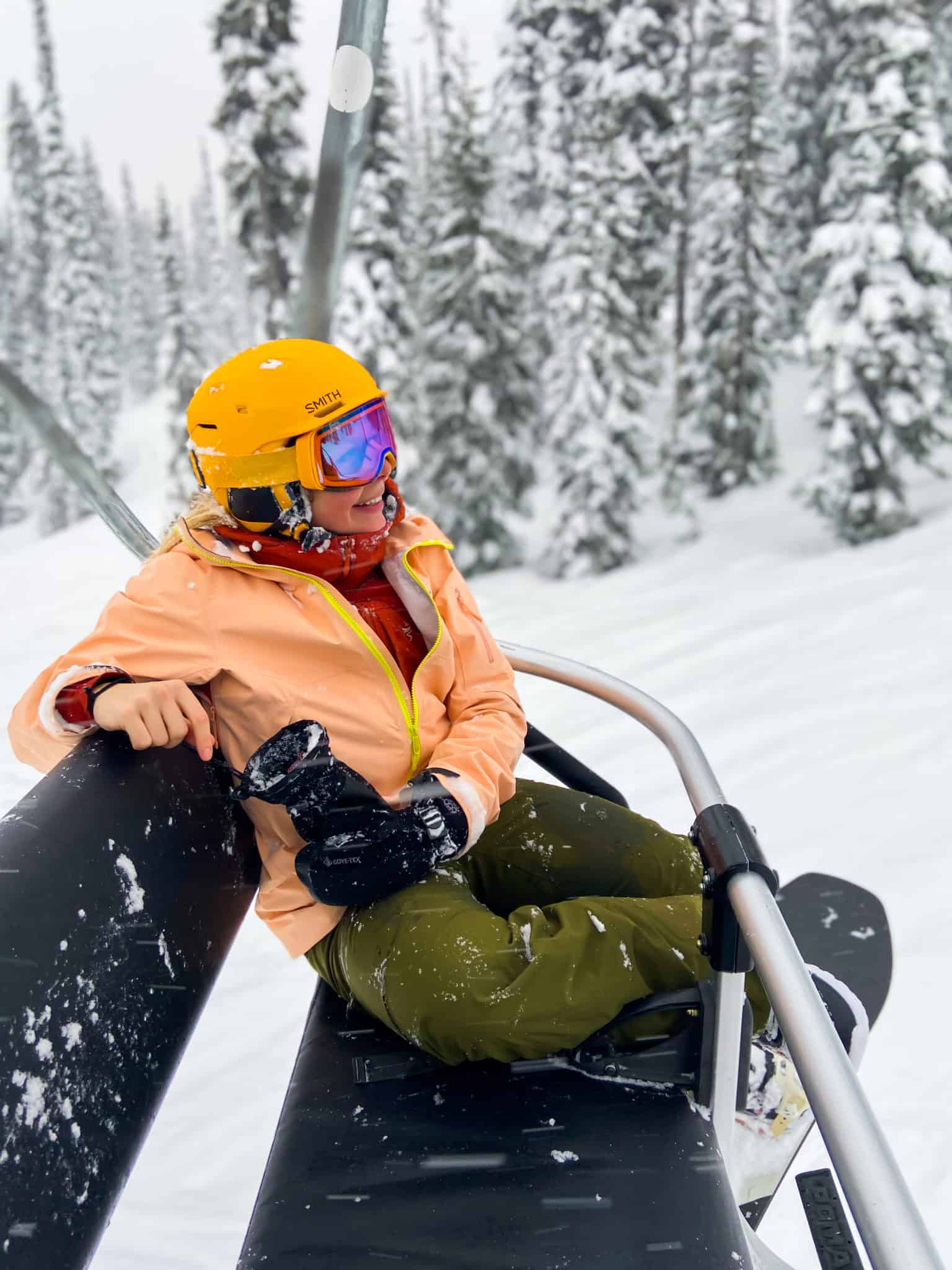
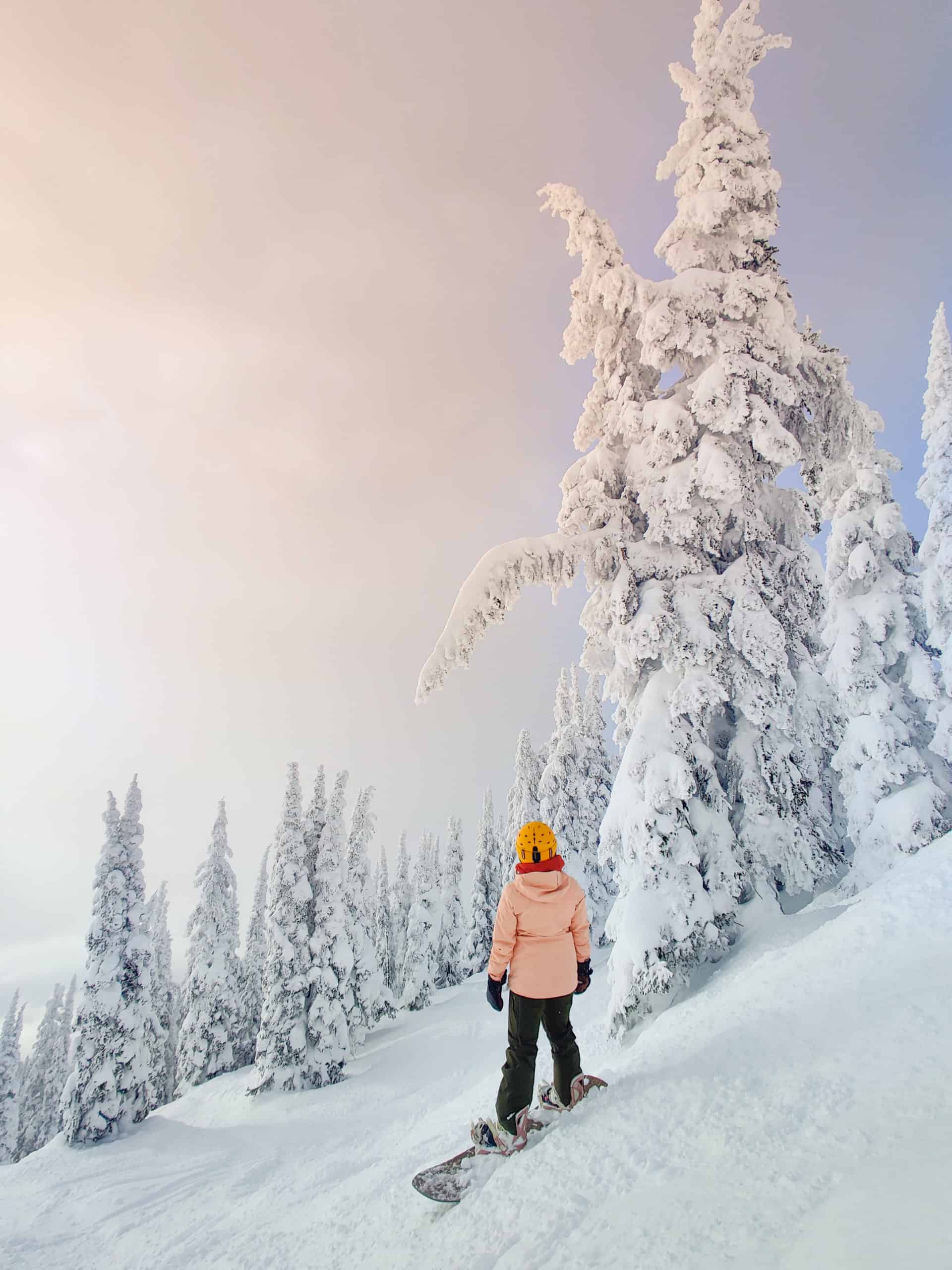
Revelstoke has a reputation that precedes itself for outstanding freeride terrain, tree skiing, and legendary powder. We spent an entire season there and never ever got bored. To this day, Revelstoke remains our favorite ski resort in the world. It’s where we first learned to take drops and get out of our comfort zone.
With only 93 marked runs and enormous terrain, it’s a mountain where you must find your own line. To top it all off, Revelstoke receives over 12 meters of fresh powder annually. Chances are that many visitors will have an epic powder day on a trip to the resort.

Revelstoke has one big downside: despite being called Revelstoke Mountain Resort, it’s not a good resort. The terrain is primarily ungroomed and not ideal for beginners or intermediate riders. Most of its “green” runs are essentially just cat tracks. This means it’s ill-suited for most skiers and riders. While we love the mountain, most visitors would be better served by other resorts.
It also lacks the technical steep lines you’ll find at Lake Louise, Sunshine Village, Kicking Horse, or Whistler. True experts may be disappointed with its lack of technical chutes and in-bounds steeps. For expert skiers and riders, the North Bowl is rather tame, but it does enjoy huge amounts of wind loading, which leads to deep snow. And deep, bottomless snow means that you can really send it off massive cliffs – which you’ll often see riders doing on powder days. That said, there are still very tough lines and cliff bands to be found with creativity.
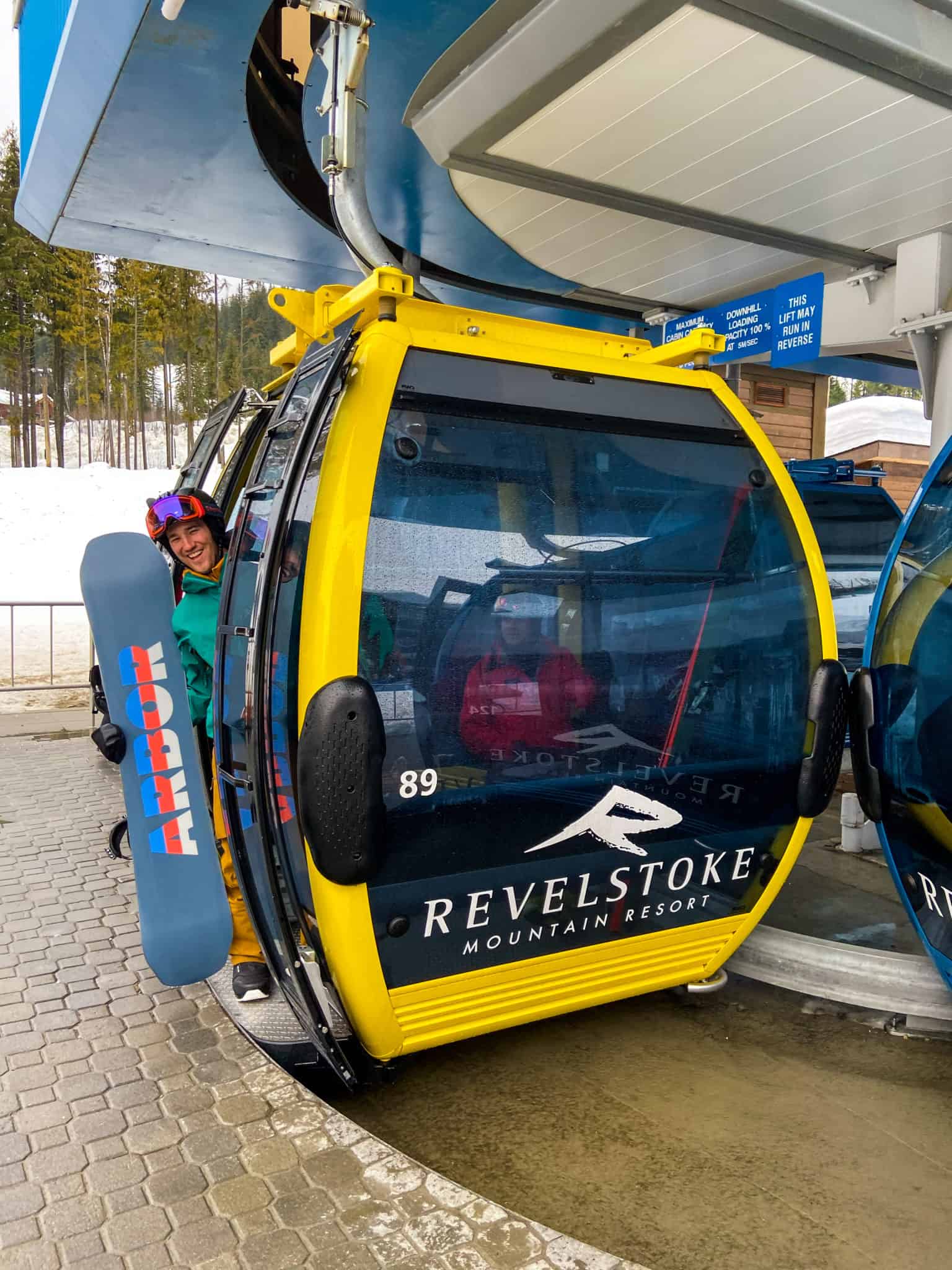
Revelstoke Mountain Resort boasts the highest vertical in North America, but it’s really a technicality, as the ski at the bottom of the mountain is often variable. This town also lacks resort infrastructure that would complete a holiday package like in Whistler or Banff. Revelstoke is far from the prettiest Canadian ski town, and while there are a handful of hotels, cabins, and hip restaurants, it still leaves a little to be desired.
That’s why we love Revy, but those looking for a full ski vacation with the family, similar to what you can find in the Alps, Whistler, or Colorado, you may be disappointed. It’s not a complete holiday package for the family, but a destination for experts and advanced riders to check off the list.
Learn More About Revelstoke
Mont Tremblant
Resort Overview
- Season: Late November — Mid-April
- Closest Airport: Montréal-Pierre Elliott Trudeau International Airport (YHU)
- Avg Ticket: $149 – $185 CAD
- Average Annual Snowfall: 178″
- Vertical: 2116′
- Total Lifts: 14
- Ski Area: 754 ac
Highlights
Family Friendly, Best in Eastern Canada, Charming Village, Variety Of Activities, Accessible to Montreal, Affordable, Decently Long Runs, Snow Making Abilities, Quebecois Culture, Gladed Tree Runs
Negatives
East Coast Skiing, Crowds On Weekends/Holidays
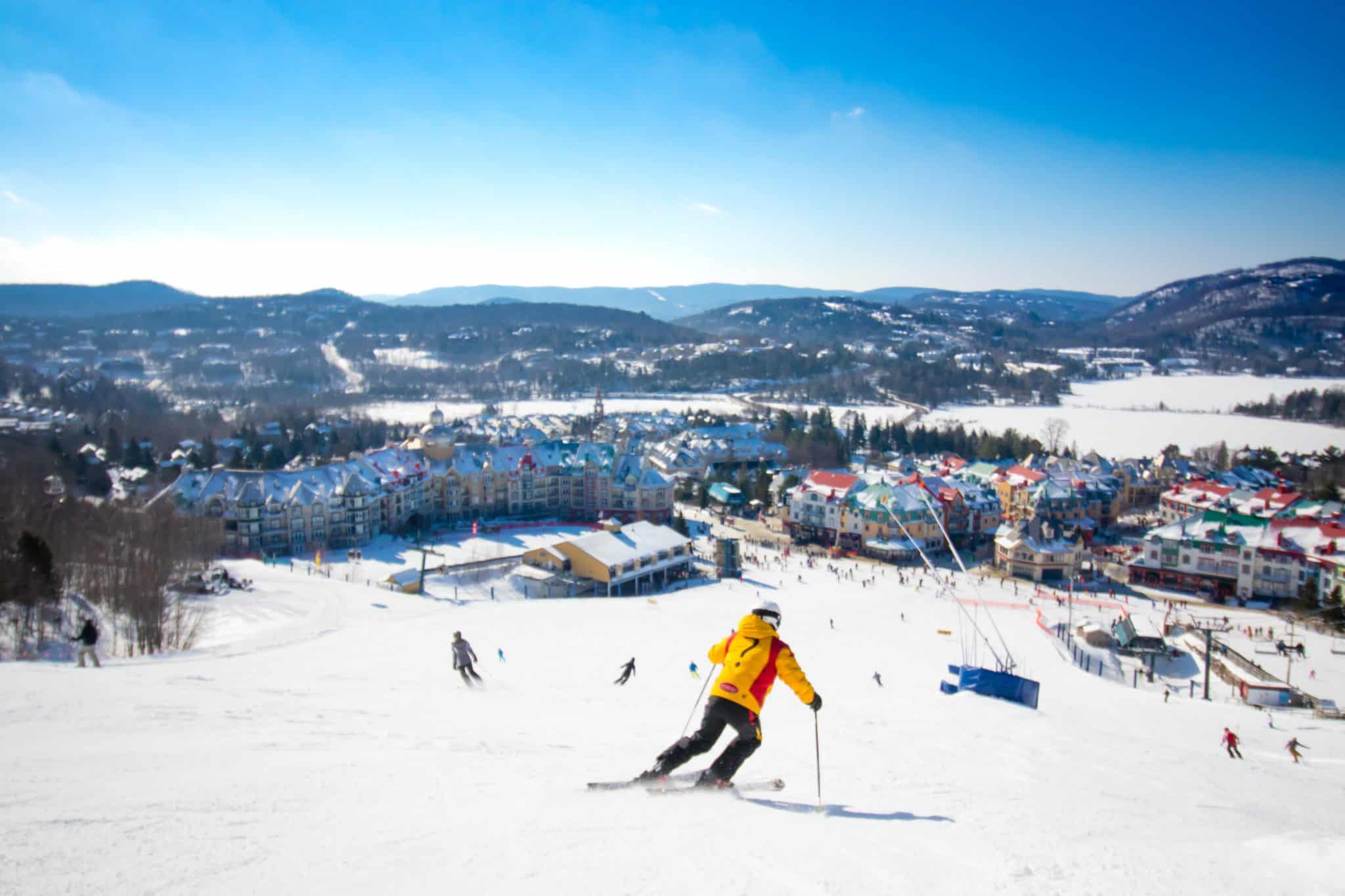
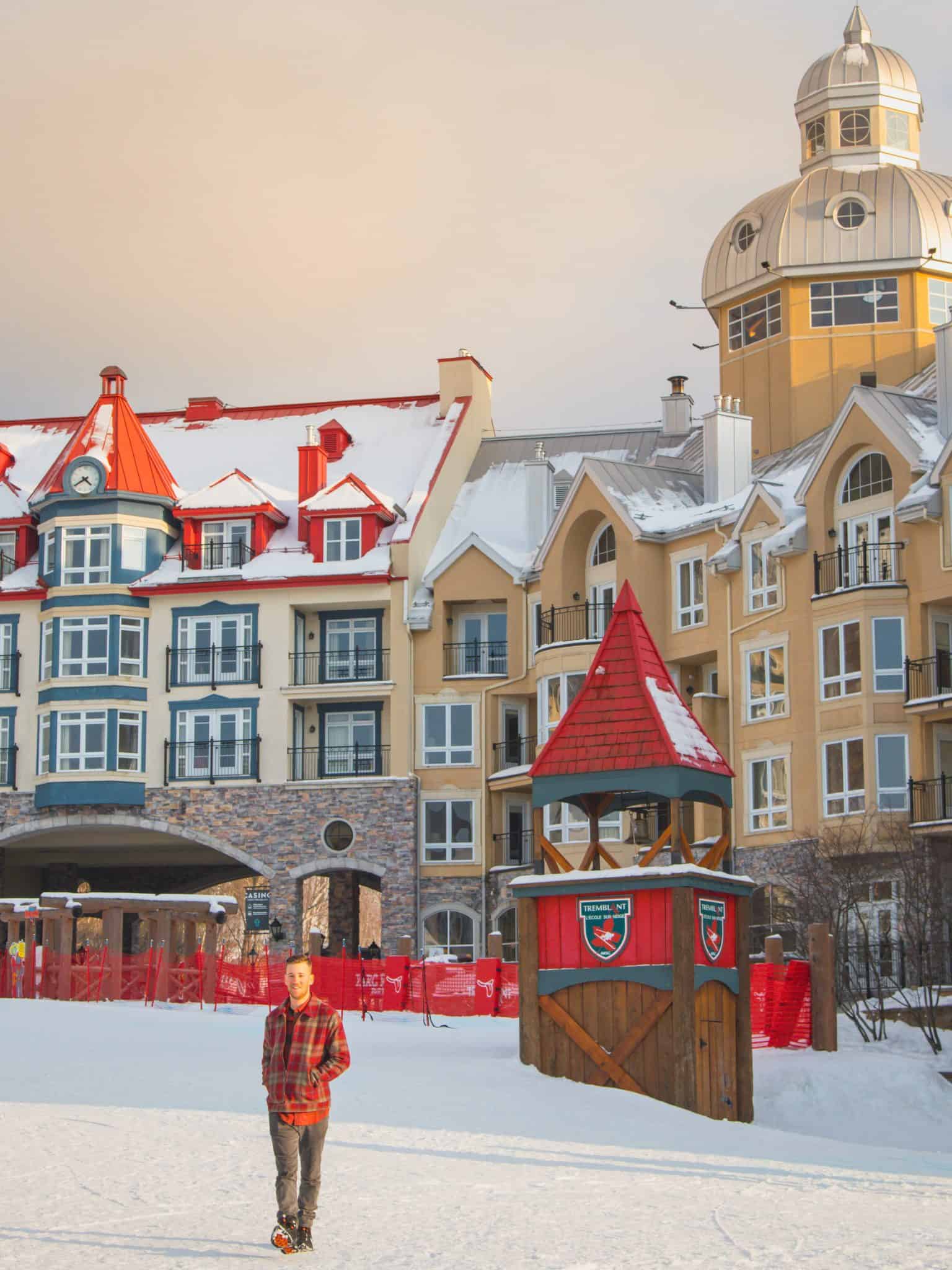
Mont Tremblant is an excellent Canadian ski resort, especially considering its location on the East Coast. While the annual snowfall and terrain won’t blow away expert skiers, it has plenty to offer the vast majority. They have a picturesque ski village, excellent facilities, and a respectable amount of vertical.
The summit offers breathtaking views over rolling hills in the Laurentians. The resort’s pistes spread out from the summit, and there are many possibilities for all ski and snowboard abilities. Mont Tremblant has a decent park, a few steep runs, glades, and plenty of beginner terrain.
Mont Tremblant is a sizeable resort with 96 beginner, intermediate, and advanced runs. Its incredible snowmaking and grooming abilities are considered some of the best in North America, so it shouldn’t be a surprise that it’s considered one of the best ski resorts on the East Coast.
Above all else, Mont-Tremblant offers exceptional Quebec charm in a sea of maple trees. People are just darn friendly here, and the resort offers the best holiday on the East Coast. There are many family-friendly winter activities to enjoy in the area and plenty of maple syrup to go around!
It’s worth noting that this is an East Coast resort, so obviously, ski quality and terrain are nothing like those in the West. It’s the best on the East Coast, but for some, that’s not saying much.
Learn More About Mont Tremblant
Banff Sunshine Village

Resort Overview
- Season: November — Late May
- Closest Airport: Calgary International Airport (YYC)
- Avg Ticket: $119 – $170 CAD
- Average Annual Snowfall: 360″
- Vertical: 3510′
- Total Lifts: 11
- Ski Area: 3358 ac
Highlights
Resort Town (Banff), Variety of Terrain, Chutes, Bowls, Ski Touring, Long Runs, Reliable Snow, Lack of Crowds (Weekdays), Ikon Pass (7 days to SkiBig3), Beginner Terrain, Groomed Runs, Good Lifts, Great Park, Good Snow, Long Season
Negatives
Short Runs, Flat Light, One Isolated On Mountain Lodge, Flat Spots, Cold Weather
Banff Sunshine is a mountain that offers something to everyone, from professionals to beginners. You can easily find yourself smack dab in freeride terrain that would be considered out-of-bounds in other resorts or cruising down a mellow green to the Trappers Pub.

From the base, skiers take a 15-minute gondola that delivers them into a sprawling resort that looks like it belongs in the Alps, not North America. At the top lies a central resort center with several restaurants, a gift shop, bar, and a hotel.
It serves as an excellent meeting point for groups of varying riding abilities. Several lifts go out from the center to the mountains and ridges in the area. Most runs are relatively short since the resort base is high in elevation. However, there is a ton of variety in the terrain and something for every level of skier.

The downside to Banff Sunshine Village is the shorter runs, various flat sections connecting the mountain, and the weather. Because the resort sits in the alpine, many days bring very flat light and cloud cover. On a frigid, windy day, it can be bone-chillingly cold.
Similar to Lake Louise, Sunshine Village lacks a mountain village; however, it is 20 minutes closer to the town of Banff and has one mountain lodge that makes for an extraordinary experience. The resort’s/marketing tagline is the “best snow in Canada,” and while it’s true that the cold temperatures in Banff National Park preserve the snow well, it can also get icy and windswept.
Learn more about Sunshine Village
Sun Peaks Resort

Resort Overview
- Season: Mid-November — Mid-April
- Closest Airport: Kamloops (YKA) or Vancouver (YVR)
- Avg Ticket: $119 – $139 CAD
- Average Annual Snowfall: 237″
- Vertical: 2894′
- Total Lifts: 13
- Ski Area: 4270 ac
Highlights
Beginner-friendly, Decent For Advanced Riders, Good Resort Village, Three Mountains, Terrain Park, Glade Runs, Lacks Crowds, Cross-Country Skiing
Negatives
Lacks Expert Terrain, Less Snow Than Other B.C. Ski Resorts
Sun Peaks is a favorite ski resort of many Canadian Families, as the resort is good at everything. It is a charming village with variety, good service, great value, and a decent ski hill that is easy to navigate. As one of the best places to visit in BC, it has some great activities, such as dog sledding, cross-country skiing, and snowshoeing.
The ski resort trails are well laid out and easy to navigate. Almost all runs lead back to the base village, making it nearly impossible to get lost, especially compared to resorts like Whistler Blackcomb, Revelstoke, or Lake Louise.
The resort doesn’t serve as a mecca for ski bums, but that doesn’t mean the ski runs aren’t notable. It has several challenging pistes, bowls, glades, and an excellent terrain park with plenty to offer advanced riders/skiers. It’s a great resort for groups of various ability levels.
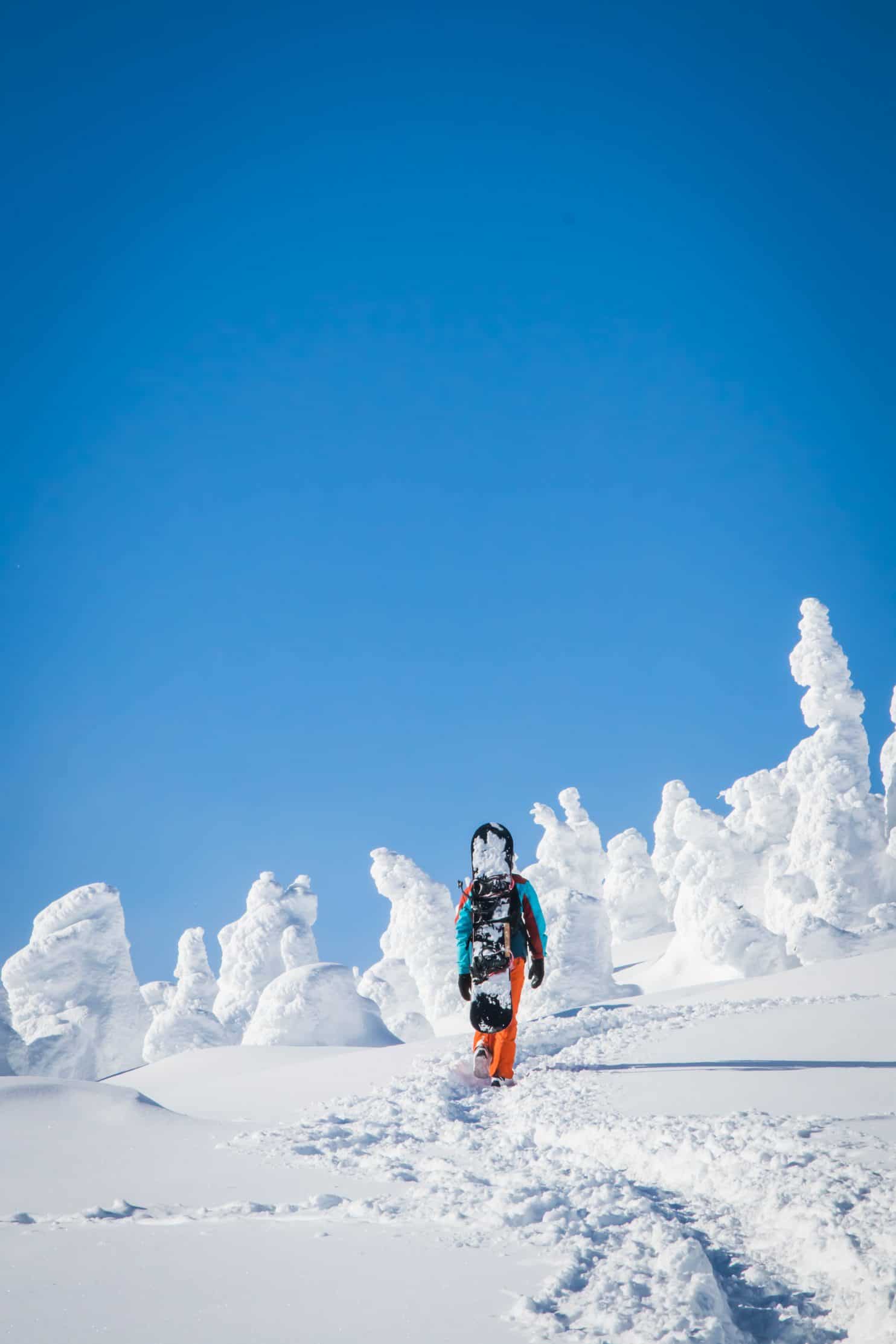
It’s a friendly full-service ski resort and the second largest in Canada, smaller than the monstrous Whistler-Blackcomb, but great for families and those looking for a full-on ski vacation. Sun Peaks also has some of the best snow ghost trees in Canada!
Learn More About Sun Peaks
Kicking Horse Mountain Resort

Resort Overview
- Season: Mid-December — Mid-April
- Closest Airport: Calgary International Airport (YYC)
- Avg Ticket: $149 – $175 CAD
- Average Annual Snowfall: 288″
- Vertical: 4134′
- Total Lifts: 5
- Ski Area: 2800 ac
Highlights
Champagne Powder, Alpine Terrain, Technical Runs, Expert’s Mountain, Free Ride World Tour, Vertical, Lacks Crowds, Small Town Feel
Negatives
Lift Infrastructure, Requires Long Traverses, Ski To Bottom After Many Runs
British Columbia is well known for its legendary ski resorts, and Kicking Horse consistently makes the list of best ski resorts in Canada. The Kicking Horse Ski Area was only heli-skiing for years, but with the addition of a massive gondola, everyone was exposed to a world of steep terrain.

It is no beginner’s mountain, with crazy double black diamond chutes and bowls. Over half the runs on the mountain are either rated as black or double black, and it’s well known for being an advanced and expert rider’s mountain. You’ll want to look for another resort if you’re a beginner or intermediate. What makes the mountain even better is its location on the Powder Highway, known for getting epic snow dumps and legendary “Champagne Powder.”

The big downside to Kicking Horse? There’s one gondola and just a few chairlifts to access a huge terrain area. This means there’s often a long line on powder days, and your ability to do laps and laps on end is limited. Instead, you’ll tire yourself out, riding from top to bottom of the resort to return to the gondy at the base.

The terrain is so epic that it was the Freeride World Tour’s only North American stop (this stop has since switched to another location). In the competition, the world’s best freeriders throw down some of the biggest and most creative lines to be crowned the top skier or snowboarder.
Golden is similar to Revelstoke in that it is still a working town, not a full-service resort. The vibe around town is very low-key, and the locals are in no hurry to become like Banff or Whistler. It’s still a town surrounded by mountains and has some lovely spots to enjoy a meal or stay.
Learn More About Golden
RED Mountain Resort
Resort Overview
- Season: Mid-December — Early April
- Closest Airport: Spokane International Airport (GEG)
- Avg Ticket: $115 – $135 CAD
- Average Annual Snowfall: 300″
- Vertical: 2920′
- Total Lifts: 8
- Ski Area: 3850 ac
Highlights
Abundant Snowfall, Crowds Rare, Charming Ski Town, Expert & Advanced Terrain, Long Runs, Tree Skiing,
Negatives
Fickle Weather, Slow Lifts, Remote Location
Red Resort on the aptly named Powder Highway gets around 750cm of snow a season and is well known for its surprisingly challenging terrain. When the snow starts to fall, it often dumps, making for epic powder days and tree skiing. The resort lies a short drive outside of Rossland, which happens to be one of the most charming little towns in B.C.

Days on the mountain can be a bit quiet, and there isn’t a wealth of restaurants or hotels, but the skiing more than makes up for it. The skiing at Red Mountain is impressive, with a wide variety of terrain that is often deceptively steep. It’s big, too, with 3,850 acres of skiable terrain spread across three mountains—Red, Granite, and Grey.
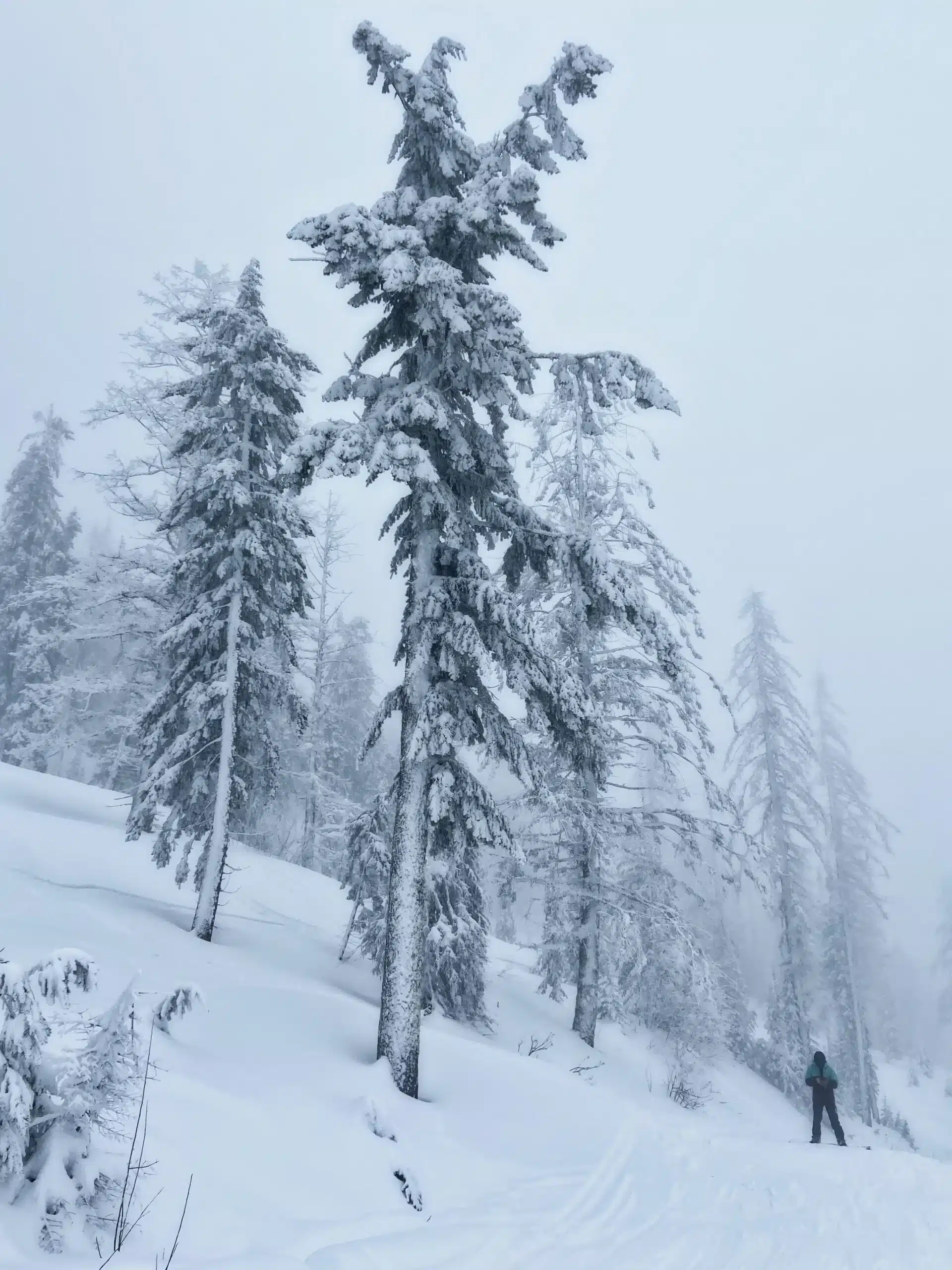
Each mountain can offer riders and skiers something different, but all have a nice mix of terrain. Red Mountain may be the easiest to ski but it does have some steep tree skiing. Granite offers the greatest and most intriguing terrain that skews towards advanced-level skiers. Grey Mountain has excellent groomed runs and steep powder drops. Honestly, there’s not a ton of beginner/intermediate terrain.

Red Mountain is known for its tree skiing, and there is lots of it. Red typically gets quite a lot of powder, though expect heavy B.C. coastal snow much of the time. It also has a long history as one of the oldest ski hills in North America, dating back to the creation of the Red Mountain Ski Club in the first decade of the 1900s!

That age means the lifts need some serious upgrading. They are painfully slow, especially the Motherload chair, which gets you up Granite Mountain and to all the best terrain. That means on an epic day, you won’t be able to lap the mountain as much as you might want, but the slow chairs keep the powder lasting longer.
Due to its location in B.C., you’ll hardly see many crowds at Red. It’s a local mountain; even on a powder day, you’ll have runs to yourself.
Whitewater

Resort Overview
- Season: Mid-December — Early April
- Closest Airport: Spokane International Airport
- Avg Ticket: $99 – $115 CAD
- Average Annual Snowfall: 473″
- Vertical: 2044′
- Total Lifts: 4
- Ski Area: 2367 ac
Highlights
POWDER, Town of Nelson, Epic Tree Skiing, Lacks Crowds, Old-School, Ski Touring Options, Inexpensive (for Canada)
Negatives
Low Elevation, Isolated, Old Lifts, Small Terrain Size, No On-Mountain Accommodation
Just an hour away from the small town of Rossland is Whitewater Ski Resort near Nelson. Whitewater is similar to Red Resort because it is small, quiet, and gets tons of powder. When you go to Whitewater, it’s like stepping back in time. The lifts are old-school, guests are primarily locals, and facilities are limited.

But that’s part of its charm, as you’ll be grinning ear-to-ear from the face shots. It feels like a resort that belongs in Japan rather than North America. Averaging 12 meters of snow annually, Whitewater is a favourite for powder hounds. The tree skiing is excellent, and the locals know how to ski it well. This makes sense with how much skiing you can do with no lift lines.

Whitewater isn’t as big as neighboring Red Mountain or Revelstoke and offers less terrain. But what it lacks is the terrain it makes up for in snowfall. The best part is that Nelson is a fantastic ski town known for its laid-back culture. Nelson has plenty of restaurants, bars, and excellent shops.

Whitewater is known for being weird, and we mean that in the best way possible. The fortunate few who ski here hope it never changes. You won’t catch these guys on mega passes like the Ikon, Epic, or Mountain Collective.
Learn More About Nelson
Fernie Alpine Resort

Resort Overview
- Season: Mid-December — Mid-April
- Closest Airport: Calgary International Airport (YYC)
- Avg Ticket: $175 – $189 CAD
- Average Annual Snowfall: 444″
- Vertical: 3550′
- Total Lifts: 10
- Ski Area: 2504 ac
Highlights
Powder, Alpine Terrain, Abundant Snowfall, Small Town Charm, Experts Mountain, Long runs, Tree Skiing, “Steep And Deep”
Negatives
Lots Of Rain or Snow, Crappy Lifts, Top Lift Never Opens, Lacks Terrain Park
Numerous sites and magazines, including National Geographic, have named Fernie one of the best ski towns in the world. It’s historically a mining town and was voted the “Best Little Town in B.C.” for a good reason. It is more than just a charming town here; the ski is legendary.

This resort in the Canadian Rockies is known for drowning in piles of snow. Powder days are common at Fernie, with an average of nearly 9m of snow or about 29 ft a year. This falls on a wealth of terrain that spans over 2,504 acres, including five large bowls, ridges, and meadows. Exploring all the mountain has to offer would take a season at least, with countless options for new lines. The one saying you’ll hear a lot in Fernie is “steep and deep.”

Fernie’s downside is its fickle weather and relatively short season compared to other resorts in the area. In mid-February, we’ve ridden across puddles of water and worn trash bags to stop the old lifts from dripping oil on our ski jackets. This is because the resort sits in a “rainforest” with heavy amounts of precipitation, either heavy rain or heavy snow.

That being said, like many of our favorite ski resorts in B.C., Fernie feels like stepping back in time, and it remains one of our ski resorts in Canada. It shouldn’t be much of a surprise that they shot the cult classic “Hot Tub Time Machine” at the resort.
Learn More About Fernie
When is the Best Time to Ski in Canada?

I recommend visiting these Canadian ski resorts between January and March for the best conditions. January has epic powder days, but it can also be brutally cold. Banff Sunshine, Whistler, and Lake Louise operate from November until early May! If you want to avoid crowds, visit before Christmas and avoid February.
What is the Best Way to Get to the Ski Resorts in Canada?

Like the United States, the most efficient and best way to get around Canada is by car. If you are an American living near the border, you may want to take a road trip from the United States.
Key Tips for Saving on Lift Passes

- Buy in advance online: Prices are often significantly lower than walk-up window rates.
- Consider multi-day passes or season passes: If you plan on skiing more than 4/5 days in a season, it might be worth looking at season passes, the Ikon Card (SkiBig3, Revelstoke) or the Epic Card (Whistler, RCR resorts). There are also cards that will save you money, like the Mountain Collective.
- Peak vs. off-peak: Prices can vary depending on demand, so midweek or early-season days are generally cheaper.
- Multi-day passes: Many resorts want to lock you in and offer discounts for longer stays. The more days you ski, the cheaper they are!
- If you’re going to buy a season pass, remember that buying early-season season passes will save you lots of money! (Think before October of each year).

If you’re heading to Western Canada soon, make sure to check out our interactive map with over 450 spots to help you plan!


I can’t get enough of your blog site; every post is a gem.
Extremely well done. Excellent recap. Appreciate the pros and cons.
very comprehensive blog including most top Canadian ski resorts. good booklet for those who want to visit Canada for skiing.